The Role of Loans in Restoring Industrial Infrastructure after the Crisis
When a major crisis strikes—be it a natural disaster, armed conflict, or economic meltdown—the industrial base often takes the heaviest blow. Factories close overnight, supply chains collapse, and power grids are destroyed. Rebuilding this fragile backbone requires more than engineers and construction crews. It requires finance, and loans have long been the most immediate tool for getting industries back on their feet. From short-term liquidity injections to long-term infrastructure loans, credit provides the financial scaffolding that makes recovery possible. Without it, entire sectors can stagnate for years, leaving countries vulnerable to deeper instability and lost opportunities for growth.
Why Loans Are Crucial After a Crisis
Rebuilding after a crisis is not just about repairing what was lost—it is about doing it fast enough to prevent further collapse. Industrial infrastructure is highly capital-intensive. The replacement of a single production line can run into millions, while the reconstruction of a port or energy facility often requires billions. Governments, insurers, and aid agencies step in, but their funds rarely arrive at the speed businesses need. Loans close this gap. They provide immediate working capital, allowing industries to pay wages, order materials, and resume operations even when revenues have dried up. Quick access to credit can mean the difference between recovery and permanent shutdown. The ability to borrow, even under difficult conditions, stabilizes supply chains and reassures both workers and international partners that production will continue.
Speed vs. Waiting for Aid
Public aid programs, even when substantial, often take months or years to distribute. Bureaucracy, politics, and verification procedures slow down disbursement. In contrast, loans from banks, state agencies, or international lenders can be approved within weeks. For industries facing perishable contracts and impatient buyers, this speed is critical. A logistics hub that restarts within months can keep its global partners; one that waits for grants risks losing them forever.
Types of Loans That Support Recovery
The loan products used during industrial recovery vary depending on urgency and scale. Some are short-term injections of liquidity, while others are designed for multi-year reconstruction. Knowing which type to pursue helps firms balance survival with long-term competitiveness.
| Loan Type | Purpose | Key Users |
|---|---|---|
| Emergency Credit Lines | Instant liquidity for wages, transport, or quick repairs | Small manufacturers, logistics operators |
| Infrastructure Reconstruction Loans | Rebuild power plants, ports, rail lines, or industrial zones | Heavy industry, utilities, governments |
| Equipment Financing | Purchase or lease of new or replacement machinery | Factories in textiles, automotive, electronics |
| Working Capital Loans | Cover operating expenses during slow recovery | Exporters, retail distributors, agriculture |
Insurance and Loans Together
Insurance payouts rarely cover the total cost of recovery, especially after widespread disasters. For example, floods in Central Europe caused damages that far exceeded insured amounts. Loans step in to bridge this shortfall, ensuring firms can move forward even when insurance only pays part of the bill. The combination of credit and insurance creates a hybrid safety net.

Examples from Past Crises
History provides countless examples of loans shaping recovery trajectories. Without credit, many industries would have disappeared permanently. With credit, they not only survived but often modernized in the process.
Japan After the 2011 Earthquake
The 2011 earthquake, tsunami, and nuclear accident devastated Japan’s Tohoku region. Entire supply chains collapsed. Loans backed by state guarantees gave factories the means to rebuild quickly. Toyota and Nissan, for instance, extended credit to smaller component makers to prevent the collapse of their ecosystems. These financing flows stabilized employment and restored Japan’s role in global automotive markets within two years.
Puerto Rico After Hurricanes
Hurricanes Irma and Maria crippled Puerto Rico’s energy and industrial infrastructure. Pharmaceutical plants faced months without stable power. Reconstruction loans—partly supported by federal programs—allowed companies to purchase backup systems and maintain export capacity. Without such credit, Puerto Rico would have lost key roles in global pharmaceutical supply chains.
US Auto Industry 2008
During the financial crisis, automakers faced collapse as credit dried up. The US government stepped in with emergency loans. These were controversial but proved essential, preventing bankruptcy that would have cost millions of jobs and broken the industrial ecosystem. The loans bought time and later positioned companies for restructuring and growth.
Challenges and Loan-Based Solutions
Borrowing during recovery is not risk-free. Firms face shrinking revenues, uncertain demand, and higher debt burdens. Yet loans remain essential when structured with flexibility. Tailored credit solutions can offset risks and allow firms to rebuild sustainably.
| Challenge | Loan-Based Solution |
|---|---|
| Destroyed factories | Equipment loans with grace periods for repayment |
| Collapsed revenues | Working capital loans to pay wages and keep staff |
| Uncertain demand | Short-term loans with adjustable terms |
| Debt overload | Government guarantees or subsidized rates |
Role of International Institutions
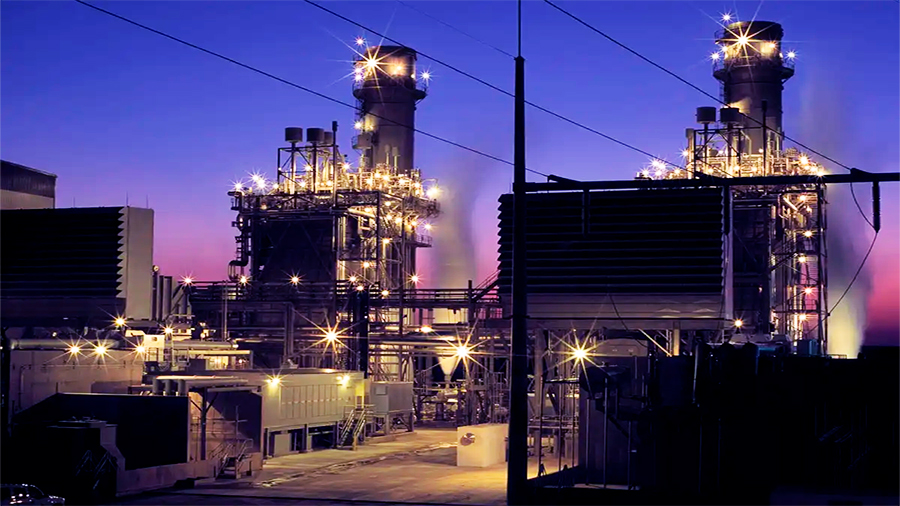
Global lenders like the World Bank, European Investment Bank, and Asian Development Bank often provide crisis recovery loans. These programs come with longer maturities and lower interest, designed to ease repayment burdens during fragile recoveries. In several countries, these loans also tied financing to modernization goals such as cleaner energy or digital upgrades.
Domestic vs. International Credit Options
Companies often must choose between local financing and international loan packages. Each has distinct advantages and trade-offs. Local loans offer speed and familiarity, while international loans bring scale and lower costs but require compliance with external oversight.
| Criteria | Domestic Loans | International Loans |
|---|---|---|
| Approval Speed | Fast (weeks) | Slower (months) |
| Interest Rates | Higher, market-driven | Lower, subsidized |
| Loan Size | Limited, tied to local banks’ capacity | Large-scale, billions available |
| Conditions | Flexible but costlier | Linked to reforms and modernization |
Finding the Right Mix
Many firms use both sources. Domestic loans help restart quickly, while international loans secure long-term rebuilding. This blended approach was used in post-war Balkan economies and in Southeast Asia after major floods, ensuring both speed and stability.
How Loans Drive Modernization
Recovery is never just about returning to “business as usual.” In many cases, loans serve as catalysts for modernization. When firms replace equipment, they often invest in better technology, higher efficiency, and greener solutions. This transformation builds resilience for the next crisis.
Examples of Modernization
After flooding in Thailand, electronics manufacturers rebuilt with automation and water-resistant facilities. In Germany, post-flood reconstruction loans supported digitized logistics hubs instead of outdated warehouses. Loans thus become not just tools of survival but drivers of industrial reinvention.
Conclusion
Loans are the silent backbone of industrial recovery. They ensure that factories reopen, workers return to jobs, and supply chains reconnect. From Japan’s earthquake recovery to Puerto Rico’s hurricanes and America’s financial crisis, the story repeats: credit determines resilience. Whether sourced locally or internationally, loans provide not only survival but also the chance to modernize and grow stronger. Used wisely, they transform crises into opportunities for industries to emerge more competitive and prepared for the future. In this sense, credit is not simply about paying back debt—it is about buying time, stability, and renewal when they matter most.