Flood Recovery Loans: How to Access Financial Help Post-Disaster
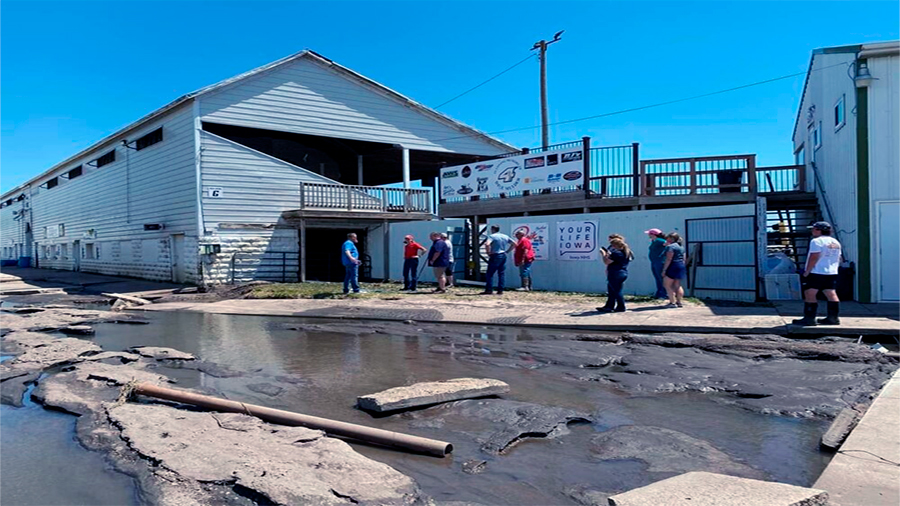
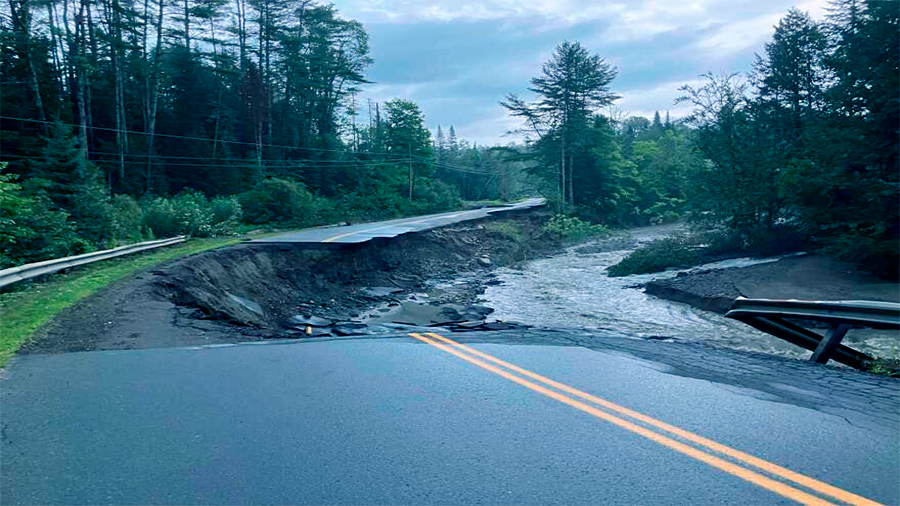
Floods leave behind more than broken bridges and ruined houses—they create financial gaps that can trap families and businesses for years. When insurance is limited and grants take months to arrive, access to credit becomes a lifeline. Flood recovery loans offer fast funding to repair homes, reopen shops, and restore farms. They give people and companies a way to start moving forward while waiting for other aid. Knowing how these loans work, what challenges they carry, and how to use them wisely can determine how quickly a community stands back on its feet after disaster.
Why Flood Recovery Loans Matter
When a flood strikes, the damage is rarely limited to property. Families lose essentials, small shops shut down, and fields become useless. The sudden lack of income makes it impossible to cover even basic needs. Recovery loans exist to bridge that moment of crisis. They provide money for urgent expenses like roof repairs, equipment replacement, or staff salaries. For example, after severe flooding in Germany’s Ahr Valley in 2021, breweries and farms relied on special credit programs to keep employees on payroll. Without those loans, many would have gone bankrupt. The core function of recovery lending is not just rebuilding structures but preventing social collapse, giving households and businesses a chance to rebuild faster than grants or donations alone allow.
How Flood Recovery Loans Work
Unlike conventional loans, recovery loans are structured with disaster in mind. Interest rates are often subsidized by governments, repayment terms stretched, and grace periods built in. In the United States, the Small Business Administration (SBA) offers repayment schedules up to 30 years at rates around 2–4%. In India, cooperative banks in flood-hit states give farmers concessional loans with low or zero interest for the first year. These designs recognize that recovery is slow. Money today might not bring profit until months later, especially in agriculture. The best programs combine speed with flexibility, ensuring borrowers can recover without sinking into further debt.
| Borrower Type | Loan Purpose | Example |
|---|---|---|
| Homeowners | Repair housing and replace essentials | Roofing, flooring, electrical rewiring |
| Small Businesses | Cover operating losses and restart trade | Paying rent, replacing stock, employee wages |
| Farmers | Restore production and protect livestock | Buying seeds, fertilizers, veterinary services |
Eligibility and Application
Getting approval for a recovery loan requires documentation. Families provide proof of residence, ownership, and photographs of damage. Businesses submit financial statements, tax returns, and repair estimates. Farmers often need crop-loss certificates from local authorities. While the paperwork seems heavy, it prevents misuse of funds and ensures money reaches genuine victims. In recent years, governments have digitized the process. For example, in the Philippines, post-flood applications can be uploaded by phone, including geo-tagged pictures. This shift reduces delays and makes loans more accessible to rural households far from bank branches.
Common Requirements
- Proof of property ownership or lease agreement
- Government or insurance damage reports
- Business or farm registration papers
- Identification documents
- Financial statements (for businesses)
Examples of Flood Recovery Loan Programs
Every region handles recovery differently. In the U.S., SBA disaster loans helped thousands of homeowners in Louisiana rebuild after hurricanes that brought massive flooding. In India’s Kerala state, cooperative banks issued special credit lines to farmers to replant rice paddies. In Bangladesh, microfinance institutions offered microloans for rebuilding homes and buying cattle. In Mozambique, small shopkeepers received emergency loans after cyclones caused severe flooding, helping them restock goods. In the European Union, the EU Solidarity Fund focuses on infrastructure recovery, often financing roads, schools, and utilities. These diverse models share a purpose: make money available fast, so recovery does not stall.
| Country/Region | Program | Key Feature |
|---|---|---|
| United States | SBA Disaster Loans | Low interest, up to 30-year repayment |
| India | Kerala Flood Relief Credit | Farm replanting support, subsidized rates |
| Bangladesh | Grameen & BRAC Microloans | Fast small-scale loans for families |
| European Union | EU Solidarity Fund | Focus on public infrastructure repair |
Challenges in Accessing Loans
Even with programs in place, obstacles remain. Rural households without land titles often cannot prove ownership. Small businesses may lack formal financial statements, making banks hesitant. Some borrowers fear taking on new debt with uncertain income. In Pakistan, after devastating floods in 2022, delays in disbursement slowed rebuilding for many small traders. Another challenge is awareness—many families are unaware such loans exist or how to apply. Microfinance and mobile-based platforms have partly solved this, offering quick approval and smaller sums. Yet large-scale financing still requires state involvement to manage risk and ensure repayment.
Impact on Communities
Recovery loans do more than provide money—they restore momentum. After Hurricane Harvey in Texas, thousands of families used SBA loans to rebuild homes, while small businesses reopened within months. In Bangladesh, microloans let families rebuild stronger homes on raised platforms, protecting them from future floods. In Germany’s Ahr Valley, credit helped keep family-owned wineries, hotels, and bakeries alive after flood damage. These examples show that loans are not just financial tools but community stabilizers. They protect jobs, maintain traditions, and reduce migration by allowing people to stay and rebuild where they belong.
Borrowing Strategies for Recovery
For households and companies, using recovery loans wisely matters. Families should prioritize structural safety before cosmetic improvements. Businesses should invest in assets that quickly generate revenue, like machinery or restocking shelves. Farmers need to focus on replanting and irrigation before expanding production. Another key is comparing programs—interest rates, grace periods, and repayment lengths vary widely. Borrowers who communicate with lenders can often negotiate restructuring if income takes longer to recover. Good planning prevents loans from turning into another burden.
| Borrower | Priority Use | Long-Term Impact |
|---|---|---|
| Homeowners | Repair walls, foundations, and utilities first | Safe living space, prevents future damage |
| Small Businesses | Replace stock, pay staff, repair equipment | Faster reopening, customer retention |
| Farmers | Seeds, fertilizers, livestock care | Restored income cycle, community food security |
Looking Ahead
With climate change intensifying floods worldwide, demand for recovery loans will rise. Financial systems must adapt—making access simpler, expanding microcredit, and ensuring quick disbursement. Governments will need to balance affordability with sustainability, ensuring loans do not trap borrowers in long-term debt. Partnerships with international agencies, insurers, and fintech platforms could improve both speed and fairness. The lesson is clear: floods will not wait, and financial support cannot be slow. As disasters grow more frequent, recovery loans will become a cornerstone of resilience strategies.
Conclusion
Flood recovery loans are more than financial products—they are survival tools. They give homeowners the means to rebuild, farmers the ability to replant, and businesses the strength to reopen. While challenges exist, their impact on recovery is undeniable. With better design, faster access, and broader awareness, these loans can help communities adapt to the growing threat of floods. Used wisely, they protect not only buildings and businesses but also the social and economic fabric of disaster-hit areas. In a world where floods are becoming common, recovery credit is no longer optional—it is essential.